Almost half of the industry’s demand no longer comes from supermarkets, and the smart wholesalers have already moved to where the volume actually is. That shift is now showing up in steadier sales, better margins, and fewer sleepless nights.
IBISWorld’s 2025 data points to a clear structural swing. While Colesworth push harder into direct sourcing and private label, especially in fruit, veg, and staples, the demand hasn’t dried up. It’s simply tilted.
Food service now accounts for 47.8% of all wholesale demand, and independents still rely heavily on wholesalers, backed by Metcash’s investment in automated, high-capacity distribution. Put those together and you get a channel mix that rewards operators who can serve hospitality and independents with equal discipline.
With weather-driven volatility in meat and produce continuing, the winners aren’t the ones chasing supermarket resets. They’re the ones tightening logistics, expanding beyond categories most exposed to private label, and becoming the dependable partner for any buyer who values accuracy and consistency.
2025 isn’t a year of shrinking opportunity; it’s a year of shifted opportunity. And the wholesalers adjusting fastest are already out in front.

How Wholesalers Create Sale Value, Long Before They Sell
Buyers don’t pay a premium for size. They pay a premium for certainty. Every successful wholesale exit either here or overseas tells the same story.
Across hundreds of mid-market distribution deals reviewed globally, the strongest sale outcomes were driven by something deceptively simple: risk reduction. Buyers place the highest value on wholesalers who can prove three things:
- Earnings stability across categories rather than a single exposure point like fresh or meat.
- Repeatable logistics, backed by clean DIFOT data, documented processes, and low owner dependence.
- Customer resilience, especially independents and food-service accounts that can’t bypass the distributor.
IBISWorld’s findings for 2025 underline all three. Supermarkets are tightening their bypass. Independents still rely on wholesale. And food service is now the fastest-growing demand segment.
Wholesalers who diversify their mix, strengthen fulfilment, and lock in sticky channel relationships don’t just run better businesses; they build more sellable ones.
In this industry, the most valuable business isn’t the biggest. It’s the one a buyer can own without losing sleep.

The Wholesalers Colesworth Can’t Bypass
Colesworth are bypassing wholesalers at a faster clip, but not the operators who solve the right problems. A few are even turning bypass into a competitive edge.
Take unique range. Charmlaw Foods has carved out a strong position in independents through natural, niche, and specialty brands that sit outside private-label territory. Dallas International has done the same with a curated imported range that majors can’t easily replicate.
Cold chain is another moat. Providers like Cold Chain Logistics Australia and FreshDrop show how high-integrity temperature control and dependable last-mile execution keep perishable products safe and customers loyal. In refrigerated categories, reliability wins every time.
And now, with the Food & Grocery Code becoming mandatory in 2025, wholesalers with clean data, transparent pricing, and documented compliance will be the hardest to displace. A retailer can replace a cheap supplier. They rarely replace a compliant, accurate, “no-surprises” one.
Bypass is real, but it tends to skip the wholesalers who make themselves indispensable.

The Food Service Boom = Wholesalers’ Biggest Opportunity
Supermarket demand may be flattening, but the real momentum is coming from somewhere else entirely; and wholesalers who’ve already shifted are feeling the tailwind.
Food service is expanding across the board. IBISWorld shows catering growing at a brisk pace (7.0% forecast CAGR from 2020–2025), fast-food and takeaway still edging upward, and restaurant spending climbing back above $24 billion. More venues, more throughput, more ordering cycles.
For wholesalers, it’s a channel supermarkets can’t muscle into. Hospitality buyers value reliability, cold-chain discipline, and daily responsiveness over a few cents here or there. They also don’t bypass easily, kitchens need their deliveries to turn up on time.
The operators leaning into this shift are seeing steadier volume, less exposure to supermarket behaviour, and a customer base that buys every day rather than every reset cycle.
If supermarket demand cools, smart wholesalers don’t sit tight. They follow the demand that keeps heating up.
The “SKU Diet” That’s Slimming Costs and Building Value
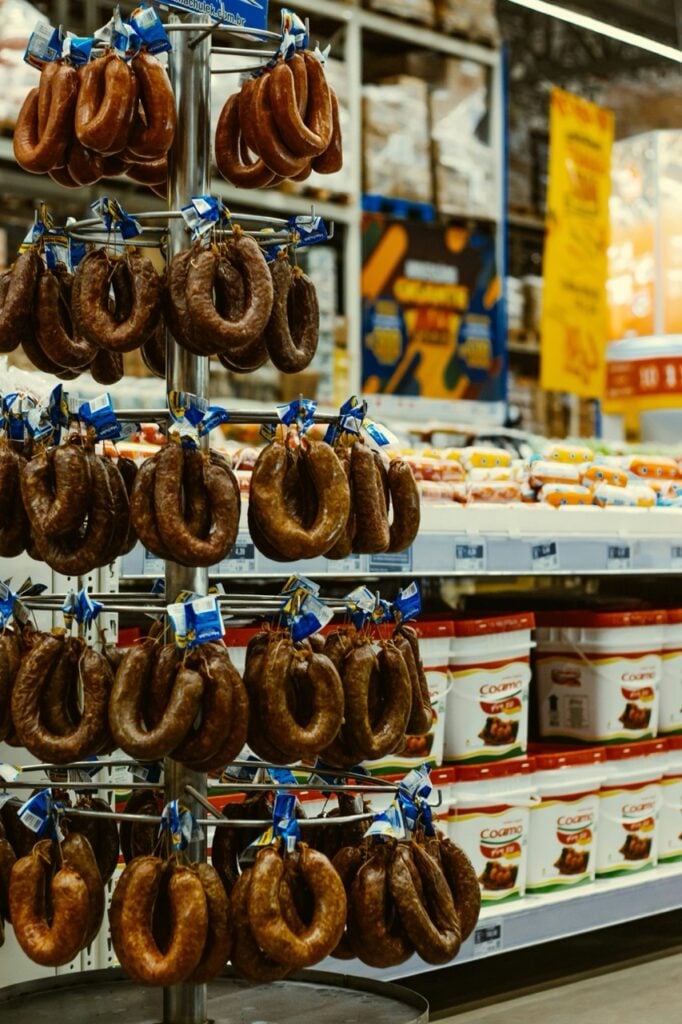
Wholesalers joke about carrying too much stock, but most warehouses are holding more dead weight than they realise. A lot of operators are now putting their SKU list on a diet and discovering it’s surprisingly profitable.
There’s good evidence behind it. Australian industry commentary notes that rationalising SKUs helps companies “eliminate under-performing lines and redirect space and resources to higher-value products.” Global case studies show retailers and distributors who trimmed their long tail often saw 2–3% gross-margin uplift simply by removing hidden-cost SKUs that dragged down efficiency.
For wholesalers, the impact is immediate: fewer slow movers on the racks, fewer emergency top-ups for unprofitable lines, and more focus on the products customers actually buy. Forecasting improves. Stock accuracy improves. Cashflow gets healthier.
And when the time comes to sell? A lean, tightly managed SKU mix looks much better than a warehouse filled with sentimental or legacy items.
If your range hasn’t had a diet in a while, this quarter is a good time to start.