Private Capital Tightens Its Grip on Protein — and It’s Changing the Rules: Twelve months after the buying frenzy that swept through Australia’s meat, poultry and seafood sectors, the spotlight has shifted from who’s buying to what they’re building. Allegro, KKR, and Macquarie aren’t chasing the next big deal — they’re quietly reshaping the ones they already own.
From Buying to Building
The August 2025 takeover of BE Campbell by Allegro Funds was the final act of a two-year acquisition run. Since then, Allegro’s focus has been pure operational grind: energy audits, plant automation and digital yield tracking. KKR’s purchase of ProTen, the nation’s biggest contract chicken grower, has followed the same path, shifting attention from expansion to efficiency.
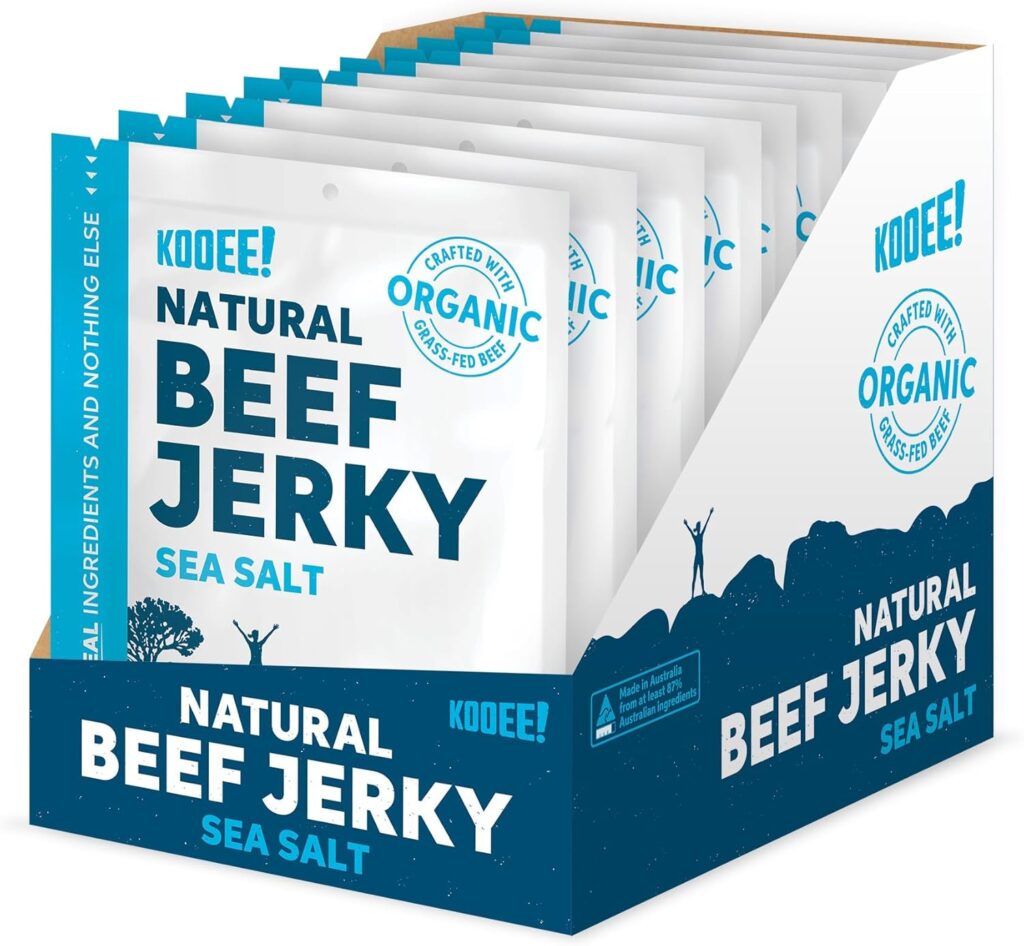
And while the big investors consolidate, entrepreneurs are finding fresh angles. Link Foods APAC (Jack Link’s) snapped up KOOEE! Snacks to bring regenerative, grass-fed protein snacks under its banner, while Yumbah Aquaculture’s merger with Clean Seas Seafood has created a vertically integrated aquaculture platform from hatchery to export.
The frenzy has cooled, but the smart money hasn’t left. It’s just wearing hairnets and steel-caps.
The Shift from Volume to Value
IBISWorld puts Australian meat processing at around A$56 billion, poultry at A$10.9 billion, and seafood near A$2.7 billion, with exports making up more than 70 percent of red-meat sales.
Those numbers sound vast — but they hide a truth every small and mid-sized operator already knows: the game isn’t about producing more kilos, it’s about extracting more margin per kilo.
Big processors are climbing the value curve with branded cuts, data-driven yield tracking, and export-grade traceability systems. SMEs can do the same, at smaller scale, by finding micro-niches: provenance-led brands, private-label partnerships, or tailored export channels. Each step adds value without new capital outlay — that’s your Product and Brand Asset working in tandem.
The market has matured; volume alone no longer buys loyalty. Proof of quality, efficiency and consistency does — and those are the very assets that buyers, lenders and strategic partners will pay extra for.
Creating Saleable Value in Meat, Poultry & Seafood
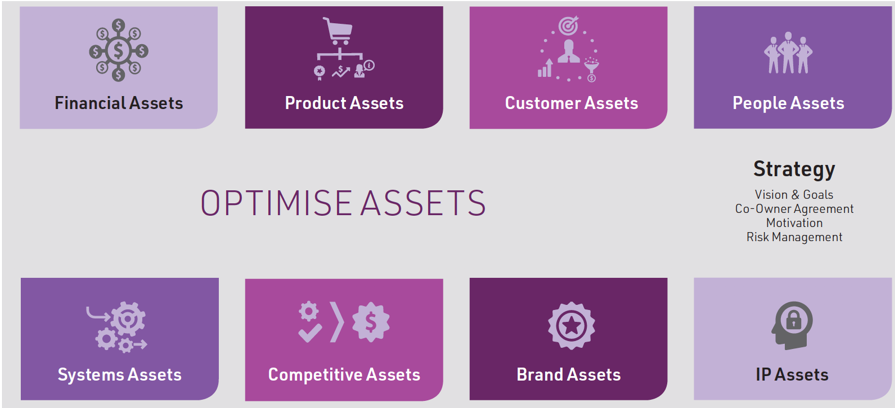
The patterns behind acquisition and value creation reveals what serious buyers look for: strong systems, steady customers, and a trustworthy story. Here’s how those lessons apply to you:
- Systems Asset: Allegro’s BE Campbell upgrade shows buyers want measurable throughput and compliance data. Investing in traceability, QA software or ERP integration directly lifts perceived value.
- Financial Asset: With thin margins, acquirers chase predictable cashflow. If your reporting can prove stable gross margins despite input volatility, you’re a safer bet.
- Customer Asset: Poultry and meat processors relying on two or three export buyers face discounting. Expanding domestic private-label contracts or food-service channels spreads risk.
- Brand Asset: Ethical, provenance-driven branding — like KOOEE!’s regenerative messaging or Cloudy Bay Clams’ local-ownership story — is commanding premiums offshore.
- People Asset: Most 2025 buyers have flagged succession risk. Building a second-tier management team isn’t overhead; it’s value insurance.
- Competitive Asset: Yumbah + Clean Seas proved how vertical integration defends market share. Mapping where you sit in the supply chain reveals your competitive moat.
- Product Asset: Product innovation means refining what already works – trimming waste, improving cut formats, or co-packing for new channels. It’s about lifting yieldand perceived qualitywithout new capital and proves that margin comes from design rather than volume.
- IP Asset: This is the know-how that keep product quality repeatable – recipes, handling systems and supplier data. Documenting and protecting that knowledge turns it into saleable value and reassures buyers that the expertise won’t walk out with you.
The 2025 buyer doesn’t pay for potential — they pay for proof, systemisation and credible ESG stories.
The Innovation Cross-Over
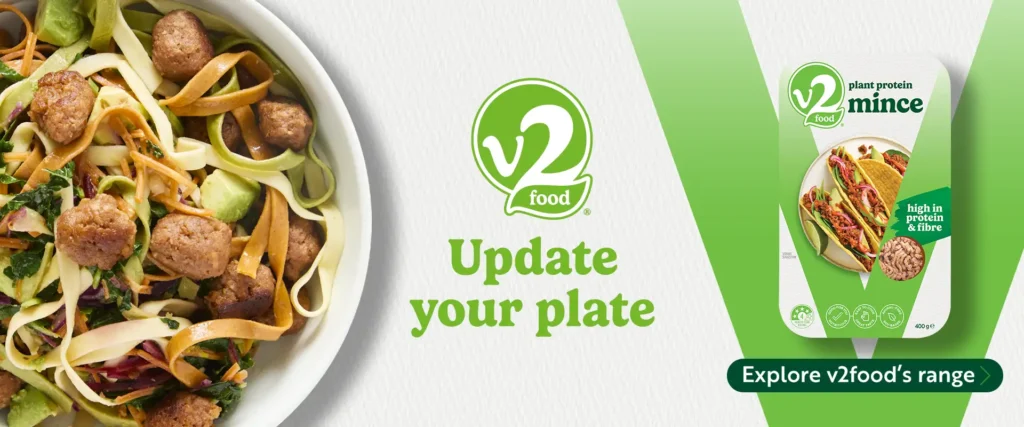
Protein isn’t just animal anymore. When v2food acquired US-based Daring Foods in August 2025, it made Australia a global player in the fast-growing “plant-chicken” category. The deal gives v2food access to American retail networks and technology for realistic, unbreaded plant-based fillets — a move that cements protein portfolios as the next normal rather than a fad. [Opinion]
For traditional processors, this is less a threat than an opening. Supermarkets and food-service chains now want blended supply: conventional, plant-based and hybrid lines side by side. Small and mid-sized meat or poultry operators with spare chilling, slicing or packaging capacity can partner with alt-protein or ready-meal brands to co-manufacture and smooth utilisation.That’s a Product Asset and Systems Asset opportunity — expanding SKU range without major capital spend, while demonstrating the flexibility and traceability that buyers increasingly reward.