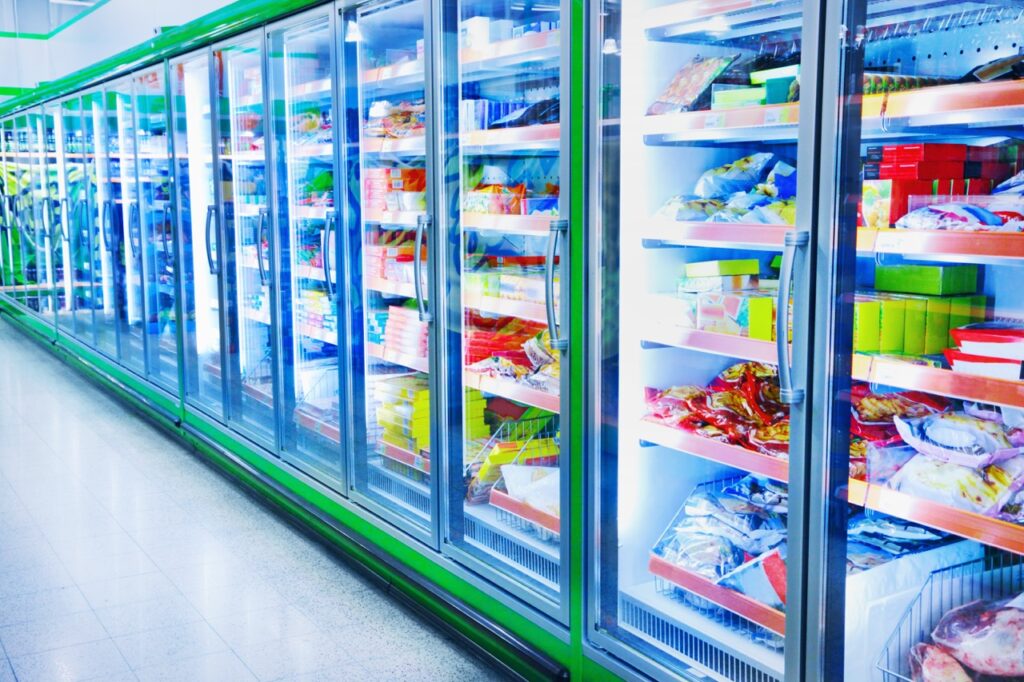
Supply chain and services transactions in Australia during 2025 clustered around continuity. Buyers focused on assets that removed friction from food production and delivery, including packaging capability, cold-chain reach, specialist equipment, and customer channels that were already embedded and repeatable. Growth narratives played a secondary role to reliability and operational fit.
The Business Sales Market Update 2026 – Supply Chain & Services examines completed deals across food contract manufacturing, distribution and wholesale, packaging, processing equipment and technology, and testing. In the transactions that closed, buyer interest centred on physical capability, footprint, utilisation and process discipline rather than brand or marketing advantage. Packaging and distribution continued to consolidate, cold-chain assets traded where they improved coverage or capacity, and equipment businesses sold where capability could be bought faster than it could be built. Distressed transactions also featured, but pricing and structure reflected fit and recoverable economics rather than optimism.
The guide brings together the transactions, buyer motives and value drivers that shaped the supply chain and services market in 2025. For owners, it provides a practical reference point: which operational assets buyers were prepared to back, what they tested most closely, and where businesses without process control or customer stickiness were discounted or deferred.