

Australia’s packaging sector is in motion — and this year’s deal activity shows where value now lies. Abbe Group’spurchase of Oji Fibre Solutions’ Australian operations underlines a shift towards local corrugated capability and scale. Ball & Doggett’s acquisition of Impak Films adds flexible formats and high-performance film expertise. Meanwhile, BioPak’s move for Bygreen confirms sustainability isn’t just branding — it’s strategy.
Margins remain thin, but integration, automation, and ESG alignment are driving premiums. IBISWorld forecasts 4% annual growth to 2025 as consumer brands and food producers push suppliers to meet recyclability targets. With over 1,000 packaging businesses still competing, consolidation pressure is mounting.
In short, the winners are those who can combine capacity, compliance, and conscience.
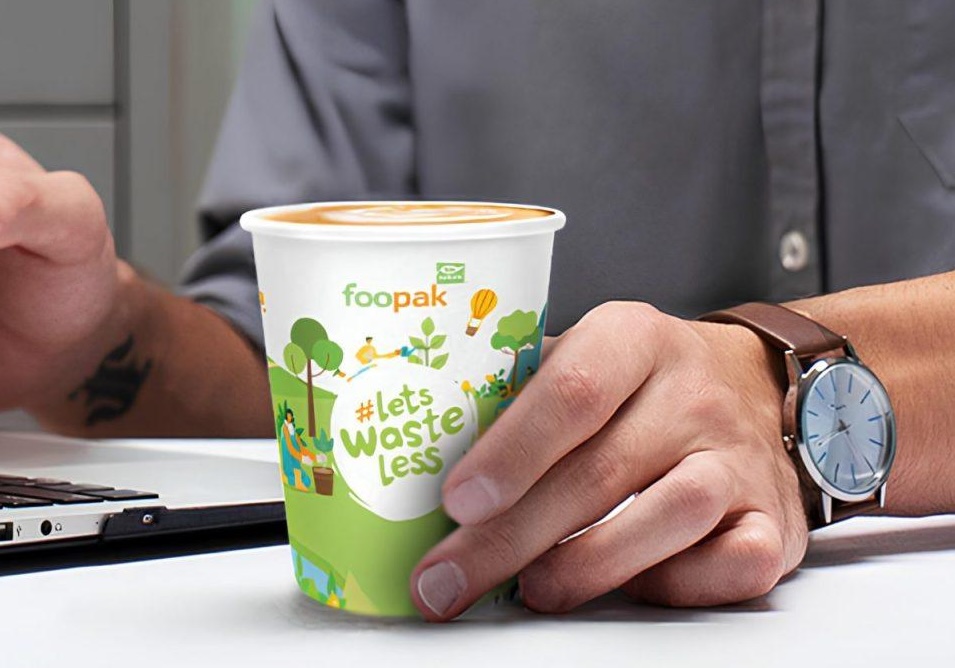
Australian mid-market innovators are turning sustainability into strategy. Foopak has launched its Bio Naturacompostable paperboard range, BioPak continues expanding its plant-based and circular packaging lines, and Bygreen known for its range of renewable and compostable food-service products — from paper straws to palm-leaf tableware — has now joined BioPak’s sustainable packaging platform. Also, TomKat Global Solutions (Queensland) has developed its “KoolPak” reusable & recyclable system to replace single-use polystyrene in the cold chain. In October 2025 they signed an exclusive supply agreement with Sekisui Foam Australia and Thai Sekisui Foam to scale in SE Asia.

The FaBA Sustainable Packaging Trends Report Link highlights these and similar projects as evidence that Australia’s packaging ecosystem is leading the global shift toward circular design. The report identifies 12 key packaging trends across four focus areas:
Innovating materials and manufacturing technologies
Governing waste and regulatory change
Designing packaging for circularity
Leveraging packaging for food-lifecycle benefits (like waste reduction)
These companies exemplify progress across Systems, Brand, and IP Assets — proving that measurable sustainability credentials are now a source of competitive margin, not a cost burden.
The message for well-capitalised SMEs is clear: scale or specialise before the next wave of consolidation tightens competition.

From Foopak’s collaboration with Paper Force — bringing compostable fibreboard to local markets — to the cooperative spirit seen at the recent Recycling Roundtable, partnerships are becoming the low-risk path to innovation. Industry players are sharing knowledge, testing circular solutions, and building trust that often precedes formal acquisition.
In packaging, collaboration isn’t soft strategy — it’s the new due diligence.
The next phase of packaging growth belongs to companies that can fuse capacity, compliance, and conscience. The era of competing purely on price is fading fast. Brand owners, retailers, and regulators are all demanding packaging that performs economically and environmentally — and they’re prepared to reward suppliers who can prove it.
Across the food and beverage value chain, packaging is shifting from a cost input to a strategic enabler. Producers now see material innovation, supply-chain transparency, and closed-loop systems as essential to protecting their own brands and meeting Scope 3 emissions targets. That shift is already flowing downstream: every packaging supplier that can provide verifiable environmental data and resilient delivery capacity will earn preferred-vendor status, longer contracts, and higher margins.
IBISWorld notes that while sector revenue is steady, profitability is increasingly skewed toward integrated operators — those who can print, convert, and distribute under one roof. Buyers are also chasing businesses that have diversified into adjacent offerings such as contract filling, logistics, or design-for-recycling consulting.
For SME owners, the playbook is clear:
Quantify your sustainability performance — waste reduction, recycled content, energy efficiency — and publish it credibly.
Tighten systems and traceability to meet customer and audit expectations.
Reduce dependency on one or two major clients by broadening into high-growth niches (plant-based packaging, cold-chain ready materials, or e-commerce solutions).
These steps don’t just prepare a business for sale; they make it more profitable, more resilient, and more attractive to the next wave of strategic buyers — whether local consolidators or global packaging groups expanding into Australia.
In short, the direction of travel is clear: the packaging businesses that blend industrial muscle with environmental intelligence will lead the market — and command the multiples.