
Health & Ingredients Australian Intelligence Update – April 2026
At Strategic Transactions, our work centres on how food and beverage businesses are valued and sold in real transactions. The following analysis give a view of what transactions are taking place and
The Australian effects of McCormick’s Unilever Acquisition.
In late March, McCormick & Company confirmed a $6.5bn acquisition of part of Unilever’s food portfolio, further consolidating global scale in the flavour and ingredients category. For Australian operators in herbs, spices, and flavour-adjacent segments, the move is strategically significant.
McCormick already distributes across retail and foodservice in Australia; an expanded brand and product platform is likely to intensify competitive pressure on local branded players, while also creating potential supply-chain and co-packing opportunities for differentiated ingredient producers.
Brands with authentic provenance, proprietary botanical sourcing, or certified organic credentials remain best insulated from scale-based competition.
The transaction reinforces a broader trend: strategic acquirers are prioritising businesses with strong retailer preference, formulation IP ownership, and multi-channel distribution reach, precisely the asset classes that attract premium valuation multiples and that Australian operators should be actively building ahead of any sale process.
From Shelf to Science: The New Rules of Australia’s Supplements Market

Australia’s supplements market is no longer a volume game. Growth is being driven by clinical positioning, functional ingredients, and increasingly, data-led personalisation, the same attributes now attracting strategic buyers and premium valuations.
Australia’s supplements market is quietly becoming one of the most competitive and strategically interesting segments in food and beverage. Growth is steady at around 6–7% annually, but the real shift is structural: gut health and personalised nutrition are redefining how products are developed, sold, and valued.
For Australian operators, the implications are immediate. Demand is moving away from generic vitamins toward targeted, functional outcomes, particularly in gut health, where prebiotics, probiotics, and fibre-led formulations are now driving shelf space and premium pricing. Brands able to substantiate claims through Therapeutic Goods Administration listings or Food Standards Australia / New Zealand compliance are best positioned to secure both retailer support and consumer trust.
At the same time, personalised nutrition is emerging as a high-growth frontier. Digital-first platforms offering tailored supplement regimens, at-home testing, and subscription models are gaining traction, creating competitive pressure for traditional brands while opening opportunities for those with proprietary formulations or clinical positioning.
The implication is clear: scale alone is no longer enough. Global and digital entrants will compete on distribution, data, and customer acquisition. Australian producers who build defensible IP, credible health claims, and export-ready propositions, particularly into Asia remain best placed to capture strategic interest and premium valuations.
Premium Infant Nutrition – Princes Group completes the acquisition of Plasmon
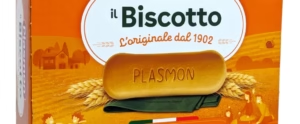
New ownership under Princes Group has completed the acquisition of Plasmon from Kraft Heinz for EUR 124.3 million, reuniting the brand with Princes’ existing Ozzano Taro production facility in Italy. The deal includes complementary brands Nipiol, BiAglut, Aproten, and Dieterba, alongside a manufacturing site in Latina.
For Australian operators, the implications are immediate. Global buyers continue to target infant nutrition brands with defensible formulations, export capability, and strong retailer relationships — particularly those aligned to Asian demand for clean-label, trusted products. This mirrors prior transactions such as Bellamy’s Australia and reinforces the premium placed on Australian-origin brands with established export traction.
The transaction itself reflects sustained global appetite for premium infant nutrition platforms built on brand trust, nutritional credibility, and integrated production. Plasmon’s heritage positioning, combined with specialist dietary brands such as BiAglut and Aproten, strengthens a more cohesive European offering aligned to increasingly health-conscious, medically informed parents.
Local producers competing on brand alone will face increasing pressure from scaled international platforms. Those with demonstrable product differentiation, clinical or nutritional positioning, and proven export pathways are far more likely to attract strategic interest — and premium valuations — in any future sale process.
Fermentation is moving from niche to industrial scale:
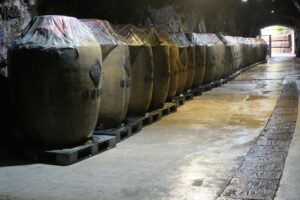
and Europe is building capacity fast. FERM FOOD’s acquisition of Orkla’s former Skovlund site adds up to 20,000 tonnes of annual capacity, signalling that demand for fermented plant-based ingredients is no longer speculative, it’s being built for at scale.
For Australian operators, the implications are immediate. International suppliers are scaling quickly to meet global demand for clean-label, functional ingredients, increasing competitive pressure across export markets. At the same time, the move validates fermentation as a commercially meaningful category, particularly across gut health, bioavailability, and reformulation applications that align closely with growth segments in Australia’s health food sector.
The expanded facility positions FERM FOOD as a more integrated European supplier, responding to rising demand from food and beverage manufacturers seeking natural, functional inputs at consistent scale. This reflects a broader shift: fermentation is becoming infrastructure-led, not artisan-led.
Australian producers retain a clear edge where differentiation exists. Proprietary fermentation processes, certified organic or non-GMO inputs, and traceable Australian-origin raw materials remain highly valued, particularly in Asian markets where “Australian-made” carries a quality premium. Regulatory tailwinds, including TGA pathways for complementary health products, further support this positioning.
The divide is widening: scaled international platforms will compete on volume and consistency, while Australian operators who build defensible IP, origin credibility, and export traction will be best placed to capture strategic interest and premium valuations.
Final Thought
The businesses getting bought are those with clear positioning, not just revenue.
If useful, you can benchmark your business here:
👉 https://fitforgrowth.scoreapp.com/