
Fresh & Processed Produce: Private Capital Smells Opportunity in the Paddock
It’s been a busy year for Australia’s fruit and vegetable sector. While margins remain thin and supermarkets continue to wield power, investors are quietly taking positions across the value chain — from paddock to processor.
Private capital has discovered that fresh produce may not deliver tech-like returns, but it offers something equally valuable: resilience, exports, and growing global demand for healthy, traceable food.

The flurry of produce deals in 2024, Costa Group’s take-private, Macquarie’s Fresh Produce Group stake, and Roc Partners’ Freshmax acquisition has changed the game.
Twelve months on, those investors aren’t flipping assets; they’re modernising them. Packing sheds are being automated, cold storage expanded, and export programs rewritten for Asia and the Middle East.
Even without headline-grabbing acquisitions in 2025, the sector hasn’t stood still. PepsiCo’s move for seed-potato breeder Dowling AgriTech and Entyce Food Ingredients’ purchase of Naked Rivals show how global and domestic players alike are tightening their grip on the supply chain.
The big money arrived last year, 2025 is the year it started to work quietly behind the scenes.
2. Processing Power Plays
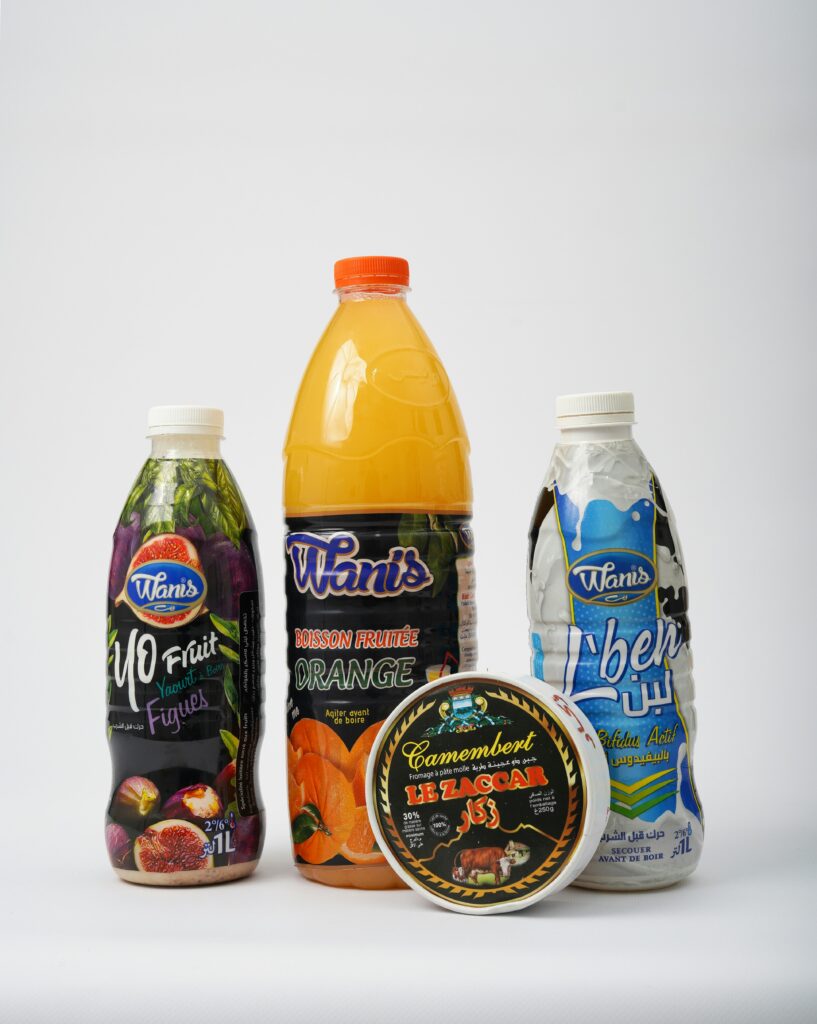
In the processed corner, consolidation is back. SPC Global, The Original Juice Company, and Nature One Dairymerged in October 2024 to create a diversified food group combining juices, canned fruit, and dairy nutrition.
And it’s not just financial engineering. Multinationals are thinking downstream: PepsiCo’s October 2025 acquisition of Dowling AgriTech, a seed-potato breeder, locks in intellectual property for a key input in its snack lines. Similarly, Entyce Food Ingredients’ March 2025 purchase of Naked Rivals, a frozen citrus-cube producer, shows appetite for functional ingredients tied to freshness and sustainability.
These deals signal a belief that controlling the supply chain, whether through genetics, ingredients, or processing is the new hedge against volatility.
3. Innovation in the Middle Ground
Beneath the headline deals, Australian processors are adapting fast.
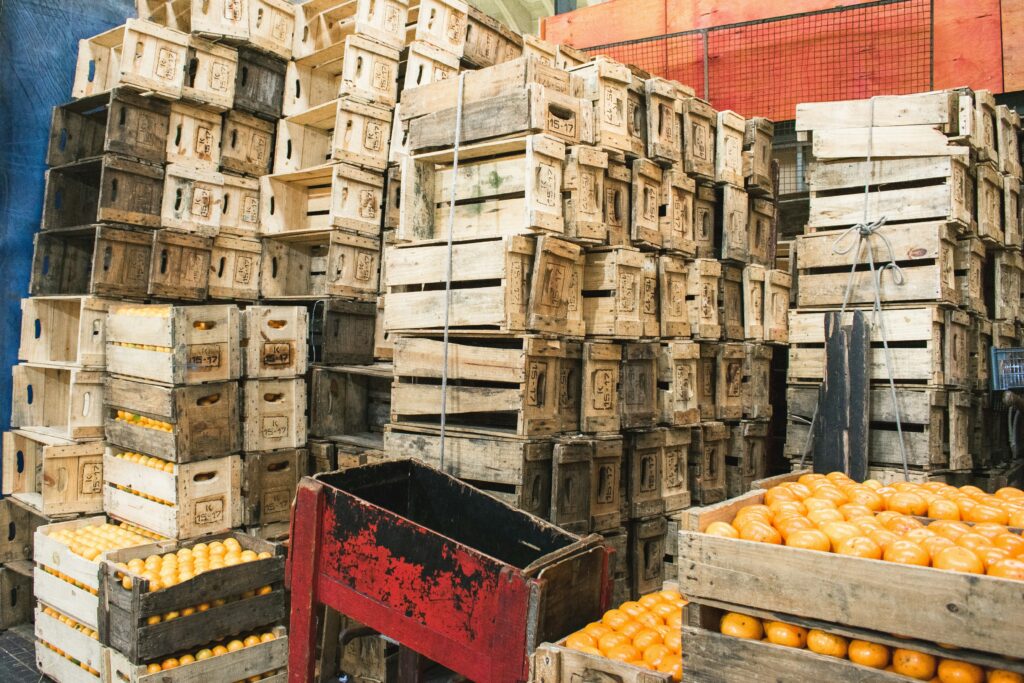
Simplot continues to modernise its Bathurst plant with automation that allows mixed-pack production runs for retailers. One Harvest, still family-owned, has extended its pre-prepared salad lines into high-protein meal kits, meeting the “healthy convenience” trend head-on.
On the fruit side, SPC Global has retooled its Shepparton site for export-grade canned peaches and pears as part of its shift toward higher-margin overseas markets. Each of these moves reflects the same instinct — to escape the supermarket squeeze by doing something different, better, or smarter.

4. The Numbers Behind the Movement
The stats confirm what operators already feel. IBISWorld puts Australian fruit and vegetable processing revenue at about A$7.1 billion, with operating margins around 1.8 % — hardly lush territory. Imports now account for roughly 58 % of local demand, as supermarkets chase cheaper offshore supply.
Yet exports tell another story: more than half of locally processed produce now ships abroad, mainly to India (22 %), Bangladesh (13 %), and China (9 %). Those markets crave reliable suppliers with food-safety credentials, an area where Australian brands still hold an edge.
The industry is slowly bifurcating: domestic processors grind out margin, while export-oriented ones are quietly thriving.
5. Outlook: Growing Smarter, Not Bigger
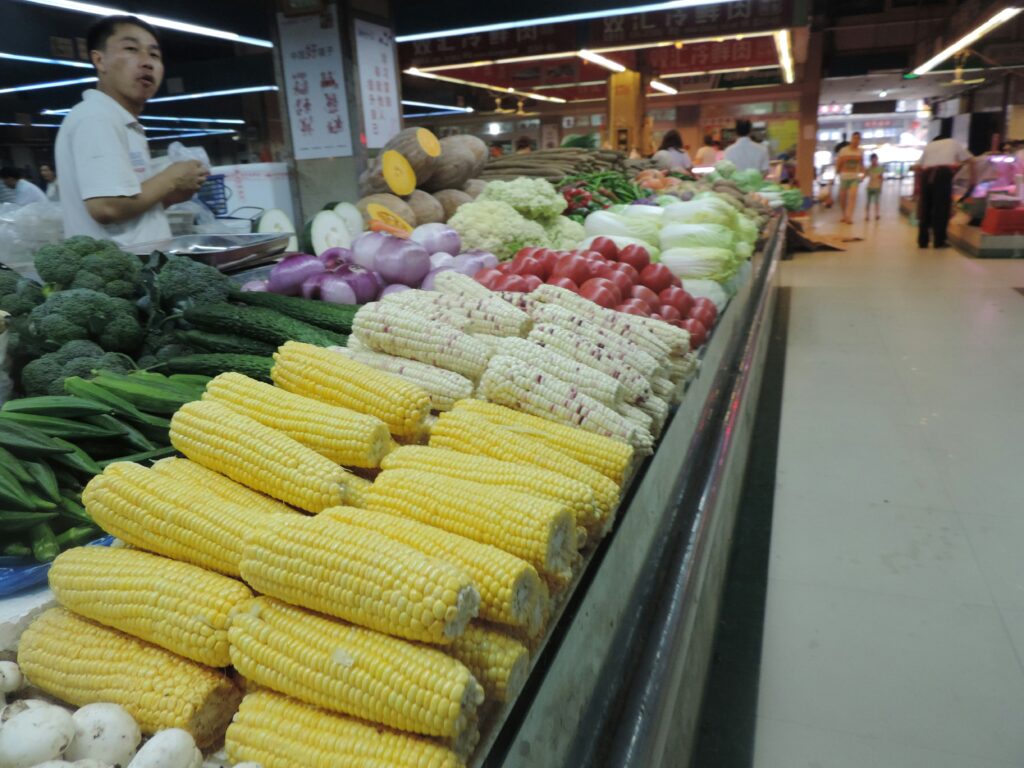
IBISWorld forecasts only modest revenue growth through 2030, but the real story lies in how companies are earning it. Automation, waste reduction, and health-led NPD are lifting returns for those who invest. Fresh-cut operations are expanding; contract processing for third-party brands is becoming a profit stabiliser.
For smaller players, opportunity lies in export partnerships, regional branding, and supply reliability. Documenting sustainability metrics and traceability, once seen as compliance overhead now serves as a differentiator when courting global buyers.
In a market where everyone grows fruit, value lies in what you do with it not just how you pick it.